In thrombosis, a blood clot forms in a vein and obstructs the return of blood to the heart. The deep veins of the lower leg, the back of the knee and the thigh are most commonly affected, the pelvic or arm veins less often. This is distinct from superficial thrombophlebitis, which usually develops in a varicose vein.
Thrombosis is more likely when blood flows more slowly or clots more easily: after operations and injuries, when confined to bed or wearing a plaster cast, on long journeys, during pregnancy and the weeks after giving birth, with hormonal contraception, with cancer, excess weight or a previous thrombosis. Sometimes no trigger can be found.
A typical sign is a leg that swells on one side, feels tight and hurts, often like a sore muscle in the calf. The skin may be warm, reddened or bluish. However, the signs can also be mild – so if thrombosis is suspected, a doctor should be seen promptly.
If part of the clot breaks loose, it can travel with the bloodstream to the lungs. Warning signs of such a pulmonary embolism are sudden shortness of breath, chest pain when breathing in, a racing heart, coughing, sometimes with blood, as well as dizziness or a brief faint. In that case, calling the emergency number 112 is the right thing to do.

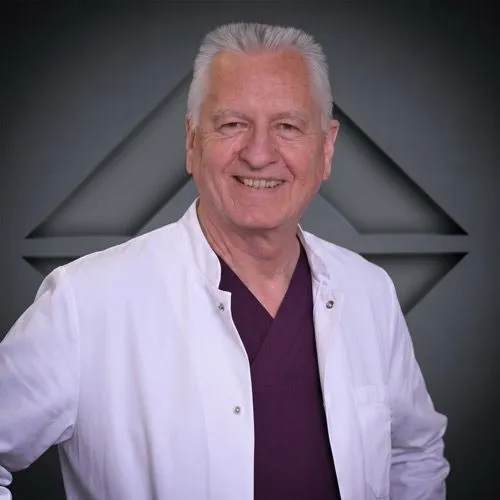 Dr. med. Gerhard Schüder