Proctology deals with conditions of the rectum, the anal canal and the pelvic floor. Symptoms in this area are very common, but out of embarrassment people often keep quiet about them for a long time. Yet there is frequently a harmless cause behind them, and much can be eased without surgery. Common conditions include enlarged haemorrhoids, anal fissure, anal vein thrombosis and anal abscess, from which a fistula can develop.
The type of symptoms often gives a first clue. Stabbing pain when passing stools fits an anal fissure, a sudden, bluish lump at the edge of the anus fits an anal vein thrombosis, and throbbing, increasing pain with swelling points more to an abscess. Blood, itching, weeping, faecal soiling or involuntary loss of stool can have many causes. Only an examination brings certainty – all the more so with blood, because a serious condition such as bowel cancer can also be behind it.
An anal fissure is a narrow tear running lengthways in the sensitive skin of the anal canal, usually at the back. It is often preceded by hard stools. A cramped internal sphincter muscle is considered central: it reduces the blood supply, the tear heals poorly, and the pain makes the cramping worse. If a fissure does not heal within six to eight weeks, it is considered chronic; hardened edges and a small skin tag, the sentinel pile, often form at this stage. If it lies in an unusual position or there are several, doctors look for an underlying condition such as Crohn’s disease.
A fresh fissure often heals without a procedure. The basis is soft stools that pass without straining. An ointment that relaxes the sphincter muscle gives the tear time to heal over a few weeks, and a numbing ointment can ease the pain. A chronic fissure is usually treated in this way for six weeks first. If it does not heal, an injection that temporarily relaxes the muscle or a minor procedure, the fissurectomy, can be considered – according to the guideline, the first choice among surgical procedures. Partially cutting the internal sphincter muscle remains the exception because of the risk to continence, the ability to hold in stool and wind reliably.

 Maksims Margolins
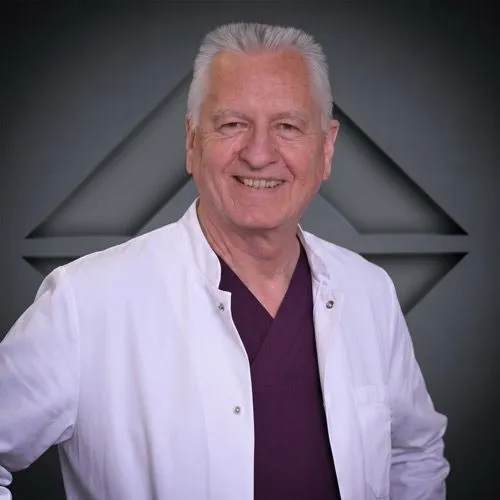 Dr. med. Gerhard Schüder
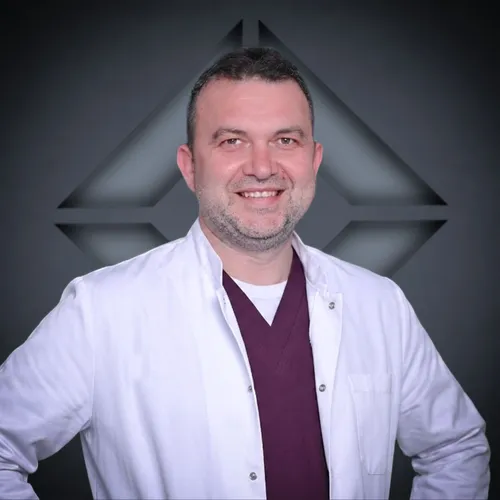 Rangel Shahanski
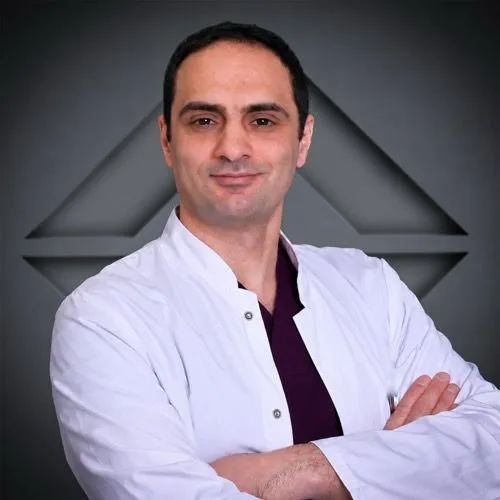 Mohamad Shalabi