

What biological age means
Chronological age counts the years since birth. Biological age is an estimate. It is meant to show how far ageing processes in the body have progressed, compared with people of the same age. If it is below chronological age, the body appears younger than average according to the measurement method used. If it is above, the body appears older.
A long-term study from New Zealand shows that people of the same age grow older at different rates. It involved 954 young adults who were all the same age. Over the years, the research team tracked how well the lungs, heart and blood vessels, kidneys, liver, gums and immune system were working. Those who were ageing faster according to these measures were already less physically fit before midlife, rated their own health as poorer and looked older.
Even so, there is no uniform way of measuring it. In the same study, the team compared eleven measures of biological ageing, including the length of the chromosome ends (telomeres), epigenetic clocks and measures based on physical and blood tests. They showed little agreement. A test result therefore always reflects one particular calculation method, not a fixed value like height.

How biological age is calculated
Epigenetic clocks
Epigenetics studies chemical marks on the genetic material, DNA. They do not change the genetic information, but they do influence how strongly genes are switched on or off. One of these marks is called methylation. At certain sites on the DNA, it changes so steadily over the years that it can be used to estimate age. Epigenetic clocks are mathematical models that do exactly that, usually using a blood sample.
- 2013: the first clocks. They were trained to match chronological age. Horvath’s clock uses 353 sites on the DNA and was developed from around 8,000 samples from 51 tissues and cell types. Hannum’s clock is based on the blood of 656 people aged between 19 and 101.
- 2018 and 2019: health instead of the calendar. Later clocks are aligned with health. PhenoAge is based on an age calculated from blood test results, GrimAge on lifespan. Among other things, GrimAge includes an estimate of smoking history.
- 2022: the pace. DunedinPACE does not measure an age but a pace: how many biological years pass per calendar year. A value of 1.0 means one year per year. It is based on 19 measurements of organ function collected over two decades in the New Zealand study.
Blood tests
So-called phenotypic age does not require any genetic analysis. It is calculated from chronological age and nine laboratory values, including blood sugar, the blood protein albumin, the kidney marker creatinine, the inflammation marker CRP and the white blood cell count. All nine values are part of routine laboratory tests. The method was developed using data from health studies of the US population.
Physical tests
Simple measurements of physical condition have also been studied for decades:
- Grip strength. Measured with a grip strength meter: in a study of around 140,000 people from 17 countries, greater grip strength was associated with a lower risk of death. According to the study team, whether targeted strength training changes this has yet to be tested.
- Walking speed. In nine studies involving more than 34,000 people aged 65 and over, walking faster was linked to a longer life.
- Endurance. What is measured is maximum oxygen uptake, VO2max for short, during an exercise test with a breathing mask. According to a review of 199 observational studies, fitter people are, among other things, less likely to have heart failure and live longer on average.
An international panel of experts counts grip strength, walking speed and epigenetic clocks among the measures suitable for studies on ageing. In that context, they are intended for research.

What a biological age test can do – and what it cannot
For large groups, the clocks are informative: people who age faster according to them are, on average, more likely to have cardiovascular disease, cancer or diabetes. As things stand, this is not enough for individual people. Experts currently advise against basing decisions in individual cases on epigenetic clocks. The reasons:
- Variability. With six well-known clocks, two measurements of the same sample differed by up to nine years. Newer calculation methods reduce this. But the body itself also fluctuates: even over the course of a single day, for example around a meal or a stressful situation, the values of many clocks changed markedly. After emergency surgery, during pregnancy and with severe COVID-19, the estimated age rose temporarily and fell back, fully or partly, with recovery.
- Lack of standards. There is not yet any agreement on how such measures should be tested before they are used in medical practice. Even the sample makes a difference: in the same people, saliva or a cheek swab sometimes gave very different values from blood – with some clocks, almost 30 years on average.
- Few implications for treatment. There is not yet a common framework for what a single value means and what should follow from it. A good result does not rule out disease, and a poor one is not a diagnosis.
- Inconsistent responses. In a study of 220 adults without obesity, reducing calorie intake over two years slightly changed the pace measure DunedinPACE, but not the PhenoAge and GrimAge clocks. Longer studies will have to show whether such changes benefit health.
- Costs. Statutory health insurance in Germany does not usually pay for such tests, because they are not among the officially defined preventive examinations. They are a self-pay service, so you cover the costs yourself.
A good result does not rule out disease, and a poor one is not a diagnosis.
What influences ageing, according to current knowledge
Some things can be changed. The World Health Organization (WHO) names tobacco, unhealthy diet, harmful alcohol use and physical inactivity as modifiable risks for chronic diseases, along with raised blood pressure, overweight, raised blood sugar and unfavourable blood lipids. The American Heart Association also counts sleep among the foundations of heart health. The recommendations at a glance:
 Physical activity. 150 to 300 minutes a week at moderate intensity, such as brisk walking that makes your pulse and breathing noticeably faster, or 75 to 150 minutes at vigorous intensity. In addition, exercises for the muscles on two or more days, and from the age of 65, training for strength and balance on three or more days. Some activity is better than none.
 Sleep. Seven hours or more, regularly. For people aged 65 and over, seven to eight hours are considered appropriate.
 Diet. Varied and mainly plant-based, with at least five portions of vegetables and fruit a day, wholegrains, regular pulses and nuts, and no more than 300 grams of meat and processed meat per week.
 Smoking. Stopping smoking is beneficial at any age.
 Alcohol. There is no risk-free amount. The German Nutrition Society (DGE) recommends avoiding alcohol. Anyone who drinks should drink as little as possible.
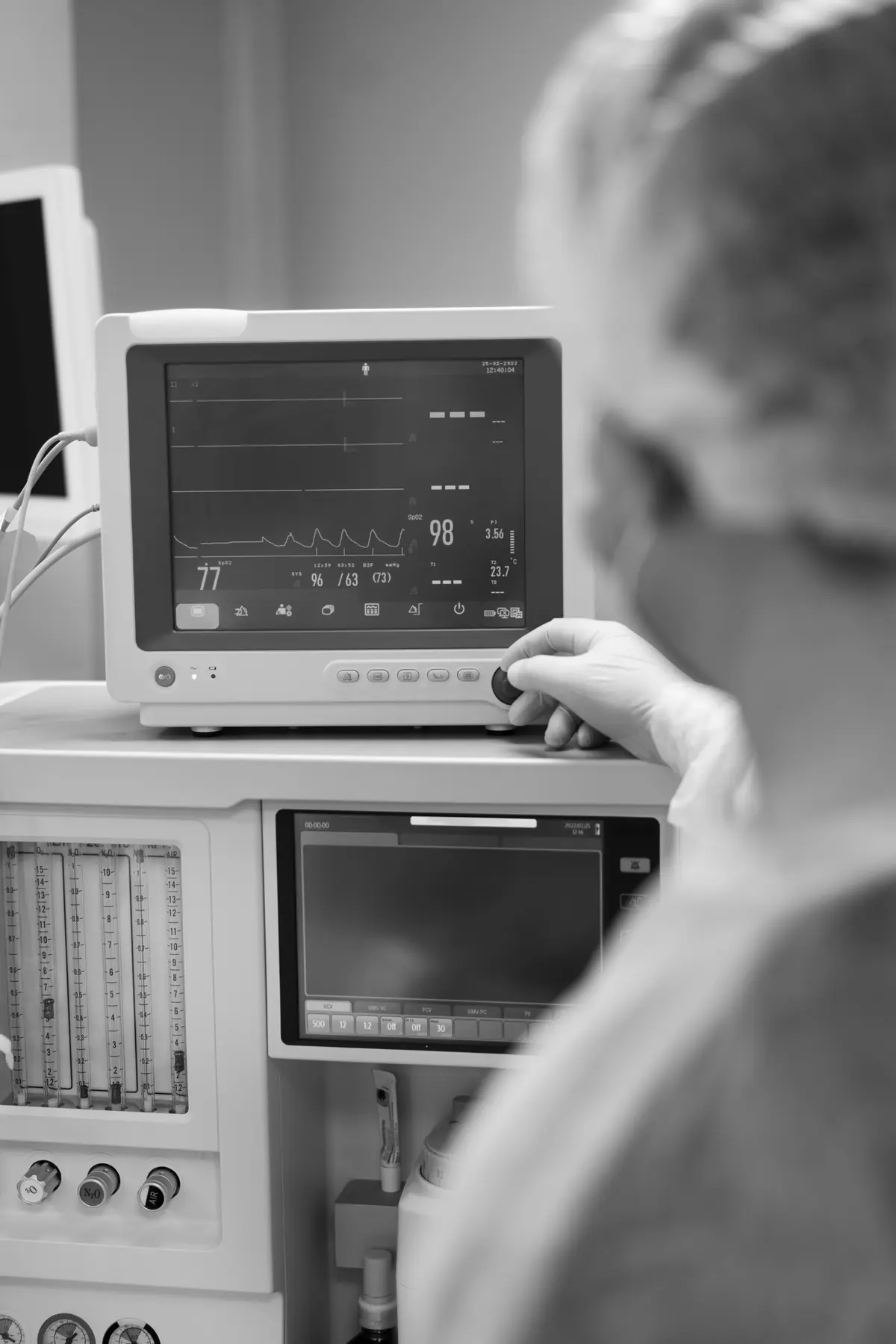 Weight, blood pressure, blood sugar and blood lipids. It helps to know these values and to have them assessed by a doctor. A waist circumference of 88 centimetres or more in women and 102 centimetres or more in men is considered a sign of abdominal fat distribution.
 Social connections. In an analysis of 148 studies, people with supportive relationships lived longer on average. The effect was comparable to that of well-known risk factors. The WHO calls for social connection to be made a public health priority.
 Stress. In studies, persistent stress is linked to a higher biological age. How this happens is still being researched.
These findings come mainly from observations of large groups. They describe probabilities, not promises for individuals. And they apply regardless of what a test shows.
When a preventive medical check-up makes sense
Preventive care does not require a biological age. In Germany, statutory health insurance covers a health check-up: once between the ages of 18 and 34, and every three years from 35. It includes questions about your medical history, a physical examination with a blood pressure measurement and a discussion of the results. From 35, blood sugar, blood lipids and a urine sample are added, as well as a one-off test for hepatitis B and C. According to the guideline of the European Society of Cardiology, adults under 40 should have their blood pressure measured at least every three years, and those aged 40 and over at least once a year.
Anyone with symptoms should not wait for the next appointment but have them checked by a doctor. For more detailed examinations of the heart, circulation, nervous system and airways, such as an exercise ECG, a heart ultrasound or 24-hour blood pressure monitoring, the CGCE Group has the Medical Sphere Prevention & Modern Diagnostics. In a personal consultation, doctors clarify which examination makes sense in each individual case.