Varicose veins, known medically as varices, are widened, twisting veins directly beneath the skin. They are usually caused by an inherited weakness of the vein wall. The vein valves, which work like non-return valves to direct the blood towards the heart, then no longer close tightly; the blood sinks back, pools and stretches the vein further.
It often starts with heavy, tired legs in the evening, swollen ankles or a feeling of tightness. Over the years, the congestion can change the skin: it turns brownish and becomes firm and sensitive. Vein inflammation, bleeding from a varicose node and wounds that heal poorly are also possible.
The visible bulges are often only the consequence. The actual cause frequently lies in one of the two large superficial main veins – on the inside of the leg or at the back of the calf – and at the point where it joins the deep leg vein. Which sections are leaking can only be determined reliably with ultrasound.
Not every visible vein needs treatment. Fine spider veins are usually a cosmetic concern, whereas varicose veins with symptoms or skin changes are a medical condition. Compression stockings relieve the symptoms but do not remove the diseased vein. It can only be eliminated by a procedure – such as laser treatment, which is particularly suitable for main veins that run a straight course.

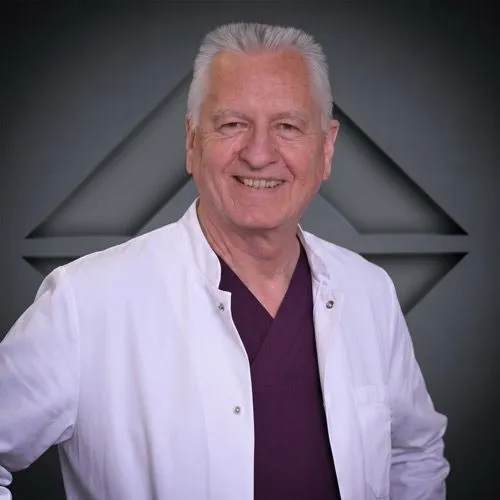 Dr. med. Gerhard Schüder