After an operation, an accident or a burn, the body closes the skin with scar tissue. At best, a narrow, flat line remains, slightly paler than the surrounding skin. Sometimes, however, the scar becomes wide, red and raised, or it sinks in and adheres to deeper layers.
Specialists distinguish sunken, so-called atrophic scars from raised, hypertrophic ones. If a scar grows well beyond the original wound, it is called a keloid. How a scar develops depends on skin type, age, the part of the body and tension: conspicuous scars are more likely on the shoulder and breastbone, in young people and across the natural lines of the skin.
A scar can spoil your appearance, but it can also itch, feel tight, hurt or restrict movement over a joint. And it needs time: scars mature over many months, and only then can it be reliably judged what a revision might achieve.


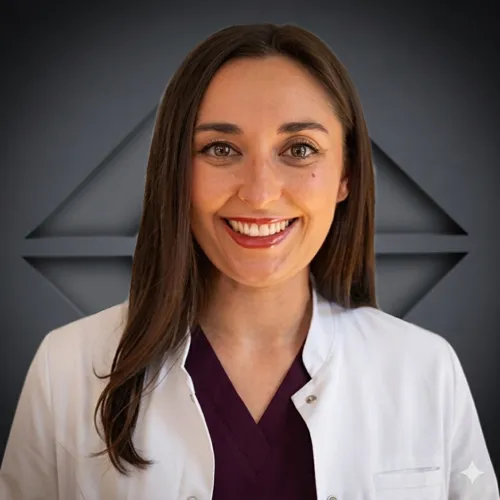 Dr. med. Karina Baier
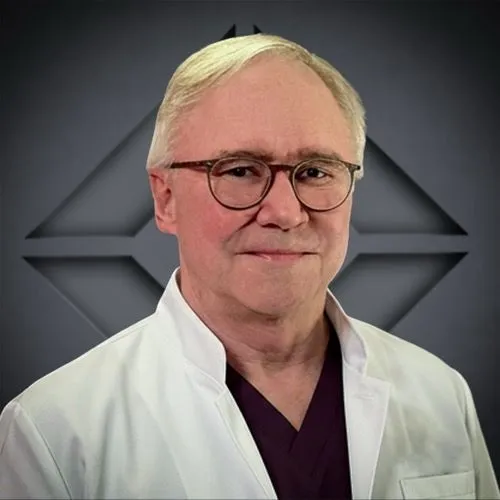 Dr. med. Michael Bromba
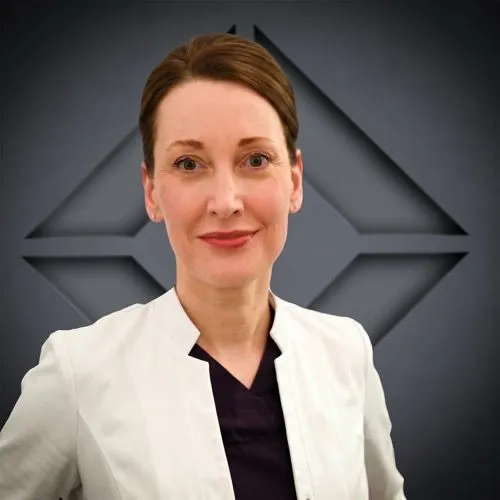 Dr. med. Katharina Dette-Oltmann
 Dr. med. Frank Gruner
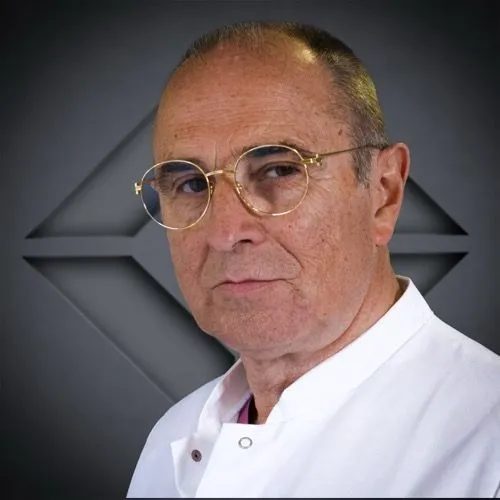 Dr. med. Uwe Herrboldt
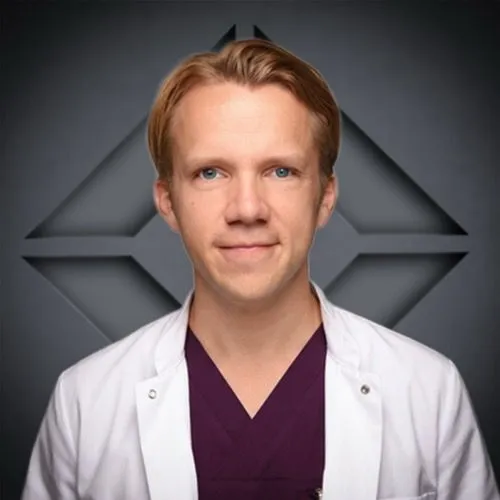 Dr. med. Stephan Klarner
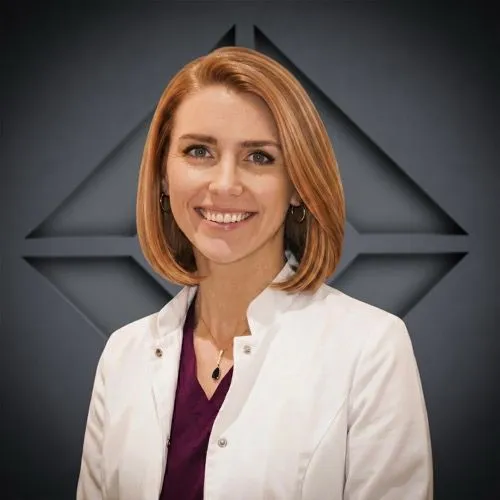 Dr. Iris Lebbe
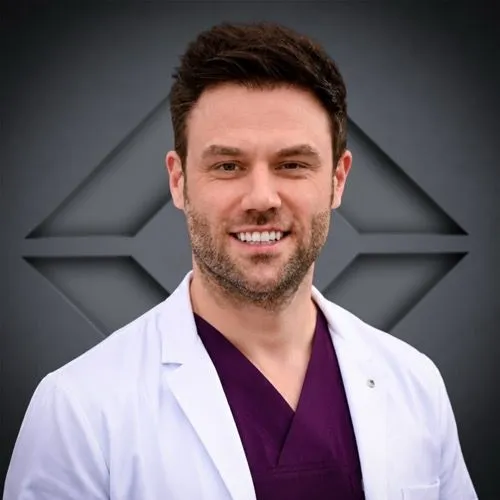 Dr. med. J. Philipp Neis
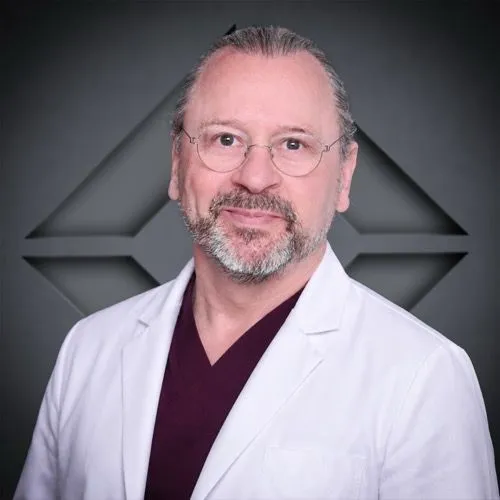 Dr. med. Martin Reifenrath
 Dr. med. Cornelius Schubert
 Dr. med. Maria Simidjiiska
 Prof. Dr. med. Mathias Witt