Many women with lipoedema have come a long way before their symptoms are given a name: diets that barely change anything on the legs and arms, well-meant advice, self-doubt. The first appointment takes this history seriously and puts it into context.
The diagnosis is a clinical one: conversation, a look at the proportions, palpation. There is no blood test or scan that proves lipoedema; an ultrasound of the blood vessels (duplex ultrasound) can help to rule out vein and lymphatic disorders. Lipohypertrophy without pain, evenly distributed excess weight or lymphoedema, in which the feet or hands often swell as well, can look similar. Mixed forms occur.
The usual division into three stages describes how the skin and tissue look. It says little about the severity of the pain: even with smooth skin, the burden can be great. There is no evidence that lipoedema inevitably progresses from stage to stage. For treatment, what counts are the symptoms, the limitations and the overall state of health.
The first appointment ends with a provisional diagnosis. The confirmed diagnosis is made by specialists in their own practices, for example in angiology, in physical and rehabilitation medicine or in dermatology – independently of those who would later operate. This four-eyes principle applies to treatment covered by statutory health insurance.
Conservative therapy is the basis of every treatment: compression, manual lymphatic drainage, exercise and skin care, together with a stable weight. It can significantly relieve pain, tightness and heaviness in many patients. It does not remove the altered fat tissue – which is why it needs to be done regularly.


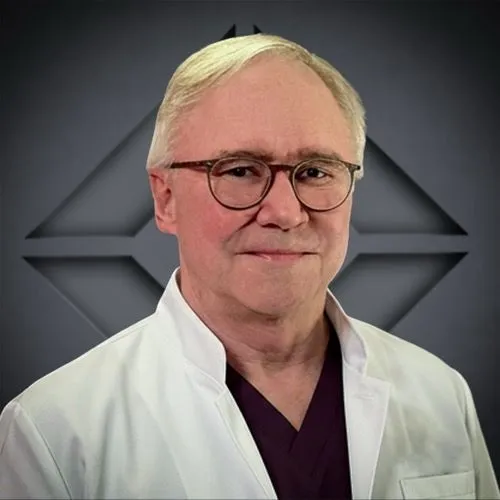 Dr. med. Michael Bromba
 Dr. med. Frank Gruner
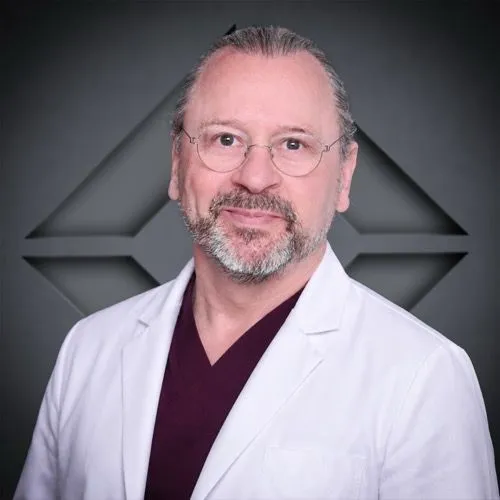 Dr. med. Martin Reifenrath
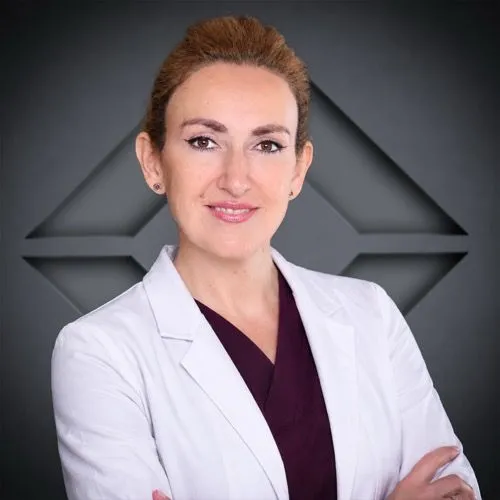 Dr. med. Maria Simidjiiska
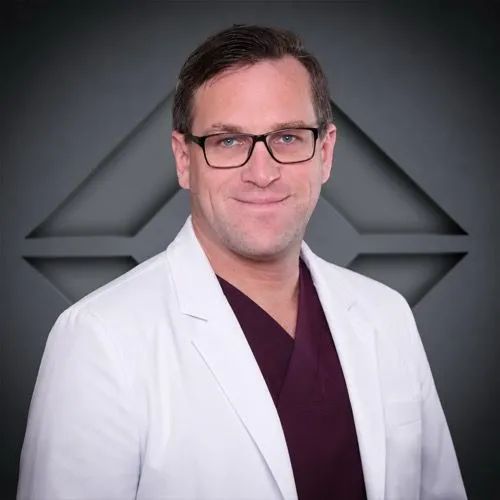 Prof. Dr. med. Mathias Witt
 Dr. med. univ. Nura Zamani