The central emergency department is a hospital’s first point of contact for illnesses and injuries that cannot wait until the next appointment at a practice. Doctors from internal medicine, surgery and anaesthesia work together there, supported by the laboratory, ultrasound, X-ray and computed tomography. Seriously injured patients are taken over by a dedicated team in the resuscitation room.
Typical reasons for coming to the emergency department are chest pain, breathlessness, severe abdominal pain or headache, high fever with circulatory problems, allergic reactions and injuries, for example after a fall or an accident at work. If life is at risk – loss of consciousness, severe breathlessness, a suspected heart attack or stroke, heavy bleeding – the emergency number 112 is the right route. For symptoms you would otherwise take to your GP, the out-of-hours GP service on 116117 is responsible outside surgery hours. It can also help you decide whether an out-of-hours clinic, a home visit or the emergency department is the right choice.
Shortly after arrival, a trained nurse assesses how urgent treatment is. Many emergency departments use a fixed system for this, such as the Manchester Triage System with five levels, from “immediate” to “non-urgent”. The level determines who is seen first. That is why someone who arrives later may be treated sooner.
How long people wait cannot be predicted. If several seriously ill patients arrive at the same time, people with less urgent symptoms wait longer. Waiting does not mean being forgotten: the classification is based on a professional assessment, and if anything gets worse, a reassessment follows. People who are not acutely ill are often seen more quickly by their GP or the out-of-hours GP service.


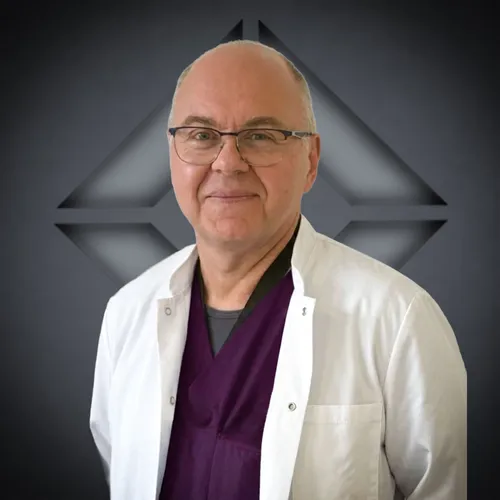 Christoph Binas
 Rachel Dorsch
 Maria Eckert-Kufner
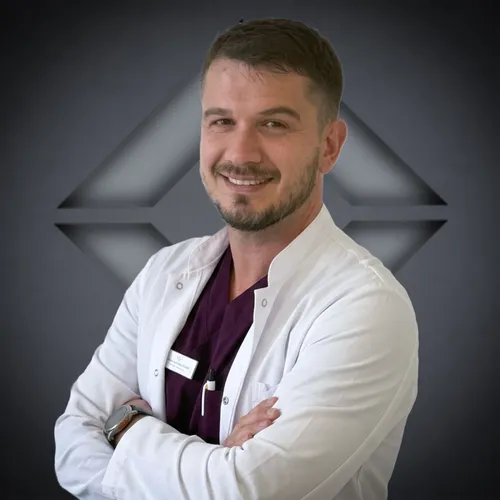 Erando Jubica
 Srecko Piculin