General anaesthesia, numbing a single region of the body or twilight sleep: which method is right depends on the procedure and on your health. The consultation beforehand covers the process, the risks and fasting.
Consultation beforehand
General, regional or sedation
Recovery room on site
5,888 reviews on ProvenExpert
6 hbefore: no more solid food, as a rule
2 hbefore: water or tea without milk is still fine
5–15minutes to wake up after general anaesthesia
24 hno driving after day-case anaesthesia
Guide values. What applies to you will be explained in your consultation with the anaesthesia team.
Anaesthesia
Switching off pain, watching over the body.
Anaesthesia switches off the sensation of pain for the duration of a procedure – and, with general anaesthesia, consciousness as well. A team made up of an anaesthetist and anaesthesia nurses monitors heartbeat, blood pressure, breathing and oxygen levels throughout. Which method is right depends on the type and length of the procedure, on existing conditions and on your wishes.
With general anaesthesia, you fall asleep through a medicine given into a vein. A breathing tube or a laryngeal mask secures your breathing. The anaesthesia is maintained with an anaesthetic gas or entirely through the vein. After the procedure, the supply is stopped and you wake up in the recovery room, where monitoring continues.
With regional anaesthesia, only part of the body is numbed – for example the lower abdomen and legs via an injection in the lower back, or an arm via its nerves. You stay awake or sleep lightly, and your own breathing is unaffected. For minor procedures, a local anaesthetic at the site of the operation is often enough.
With sedation, often called twilight sleep, a medicine given into a vein has a calming effect. You breathe on your own and afterwards often barely remember the procedure. It is used for examinations such as endoscopies or in addition to regional anaesthesia. Serious complications are rare with all methods; your personal risk depends mainly on existing conditions and the procedure and is discussed in the consultation.
The methods
Which anaesthetic for what?
General anaesthesia
Deep, controlled sleep with secured breathing – usual for procedures in the abdomen or chest and for long operations.
Regional anaesthesia
Numbs only one region of the body, such as the lower abdomen and legs or an arm. You stay awake or doze in a light sleep.
Sedation
Twilight sleep via a vein for examinations and minor procedures. You keep breathing on your own, and your breathing is monitored.
The procedure
From consultation to recovery room.
Every planned procedure is preceded by a consultation with the anaesthesia team. The appointment is usually arranged by the surgical department.
Questionnaire
A form asks about existing conditions, medication, allergies and previous anaesthetics. Please bring your medication list, medical reports and any anaesthesia or allergy card.
Consultation
A doctor from the anaesthesia team examines you, explains the possible methods and their risks and answers your questions. You give your consent in writing and receive a copy.
Preparation
You fast as agreed and take only the medicines you have been cleared to take. Jewellery, piercings and removable dentures are taken off beforehand.
Induction
In the operating area, monitoring equipment is connected and a cannula is placed in a vein. Then the chosen method begins.
During the procedure
The anaesthesia team stays with you throughout, controls the depth of anaesthesia and monitors breathing and circulation.
Recovery room
Monitoring continues until circulation and breathing are stable. Then you go to the ward or, after day surgery, home with someone to accompany you.
Statutory, private, self-pay
Anaesthesia is part of the procedure.
Statutory health insurance
Part of the covered service.
If a procedure or examination is covered by German statutory health insurance, the same applies to the anaesthesia it requires – including the consultation and monitoring afterwards. No separate application is needed.
In Wertheim, patients with statutory health insurance are treated at the Bürgerspital, the hospital with a public healthcare mandate.
Private insurance or self-pay
Planned with the procedure.
Private health insurance and the Beihilfe allowance for civil servants reimburse the anaesthesia according to their tariffs, together with the procedure that requires it.
For self-pay procedures at the Main-Tauber-Klinik, the cost of anaesthesia is included in the quote for the procedure.
Specialists
Your doctors at a glance.
Anaesthesia is provided by specialists in anaesthesiology together with anaesthesia nurses. Listed here is the team of the Department of Anaesthesia and Intensive Care Medicine, as shown by the clinics on their websites.
Mohamed AburawiSpecialist in AnaesthesiologyWertheim
Christoph BinasSpecialist in Anaesthesiology, pre-hospital emergency physicianWertheim
Rachel DorschSpecialist in Anaesthesiology, pre-hospital emergency physician, physician responsible for transfusionWertheim
Maria Eckert-KufnerSpecialist in Anaesthesiology & Intensive Care Medicine, pre-hospital emergency physicianWertheim
Claus HahnSpecialist in AnaesthesiologyWertheim
Erando JubicaSpecialist in Anaesthesiology, pre-hospital emergency physicianWertheim
Mihai NitaSpecialist in AnaesthesiologyWertheim
Dr. med. Stephan RappSpecialist in AnaesthesiologyWertheim
Locations
Where treatment takes place.
Each clinic shows on its own website how the treatment works there.
Germany
Wertheim
One anaesthesia team for both clinics, with specialists on site around the clock, plus a recovery room and an intensive care unit; the Main-Tauber-Klinik looks after privately insured and self-pay patients.
Under anaesthesia and sedation, the protective reflexes are weakened. If stomach contents get into the lungs, severe pneumonia can follow. As a rule: solid food up to six hours before, clear drinks up to two hours before. If you have eaten after all, please say so – the procedure will then be postponed if necessary.
Can I keep taking my medication?
Many medicines, yes – including on the morning of the procedure with a sip of water. Some are paused or adjusted, such as blood-thinning medication or medicines for diabetes. Weight-loss injections should also be mentioned in the consultation, because they can slow down stomach emptying. Do not stop anything without checking first.
Can I stay awake instead of having general anaesthesia?
For procedures on the legs, hip, groin or arm, often yes: regional anaesthesia is then possible, with light sedation if you wish. Procedures in the abdomen or chest usually require general anaesthesia. What is possible in your case will be clarified in the consultation.
Can I wake up during the operation?
Unintended awareness during general anaesthesia is rare. The anaesthesia team monitors the depth of anaesthesia continuously and adjusts it. If you are worried about this, mention it in the consultation, along with any previous experiences of anaesthesia.
What are the risks of anaesthesia?
Nausea, a sore throat or hoarseness from the breathing tube, shivering and tiredness are common and usually harmless. Damage to teeth, allergic reactions or problems with breathing and circulation are rare; headaches can occur after spinal anaesthesia, and nerve damage is very rare. How high your risk is depends on existing conditions and the procedure.
When can I go home after anaesthesia?
After inpatient procedures, the ward decides. After day surgery, once you are awake and stable and any discomfort is well controlled – and only with someone to accompany you. For 24 hours: no driving, no operating machinery, no important decisions and, if possible, do not stay on your own.
Is anaesthesia more dangerous in older age?
What matters is less your age than your heart, lungs and other existing conditions. However, older people are more often confused for a few days after anaesthesia. Glasses, hearing aids, familiar faces and getting out of bed early on help them find their bearings again.
When does the consultation take place?
For planned procedures, in good time beforehand, often in a dedicated anaesthesia clinic; the appointment is usually arranged by the surgical department. In an emergency the consultation is shorter, but it still takes place as long as you are responsive.
Consultation
Personal consultation.
Describe your request – the right clinic will get back to you.
CGCE Group in the media
Reviews
What patients say about us.
CGCE GroupVerified
5,888 reviews on ProvenExpert
SFSithembiso F.
This was the best decision I have ever taken for myself. The whole experience has changed my life for the better. From the first consultation I felt welcomed and treated very well. I did not feel alone during the journey because the team were just a WhatsApp away and they made regular check-ups on me. Thank you for everyone at the hospital from the staff to the doctors, you are all amazing.
Weight Doctors South Africa
MMaria
Wow, was für ein erster Eindruck! Dr. Frank Gruner, dessen Professionalität von jahrelanger Erfahrung zeugt, war äußerst verständlich und menschlich (was mir sehr wichtig war). Er verstand meine Bedürfnisse, und seine Erklärungen und Anweisungen entsprachen genau meinen Vorstellungen. Die Patientenberaterin Jennifer war mit ihrem Charme ebenfalls eine große Hilfe und erklärte mir alles Notwendige und den weiteren Ablauf. Auch die Mitarbeiter am Empfang waren sehr höflich und freundlich. Ich melde mich nach der Operation mit meinen Eindrücken zurück. Vielen Dank an alle!
Westfalenklinik Fachklinik für Plastische und Ästhetische Chirurgie · Original in German
AAnonym
Ich habe eine Unterlidstraffung machen lassen und bin mit dem Ergebnis sehr zufrieden. Mein Dank geht vor allem an Frau Dr. Simidjiiska für ihre Fürsorge, Kompetenz und Empathie. Aber auch das gesamte Team der Klinik macht einen hervorragenden Job!
Westfalenklinik Fachklinik für Plastische und Ästhetische Chirurgie · Original in German
AAnonym
Ich bin rundum begeistert von meiner Erfahrung in dieser Haartransplantationsklinik. Von der ersten Kontaktaufnahme bis zur Nachsorge war alles hervorragend organisiert und professionell. Das gesamte Team war unglaublich freundlich, hilfsbereit und zuvorkommend. Man hat sich jederzeit gut aufgehoben und ernst genommen gefühlt. Besonders positiv fand ich, dass sich alle Mitarbeiter ausreichend Zeit genommen haben, um meine Fragen zu beantworten und jeden Schritt verständlich zu erklären. Auch der Service war erstklassig. Die Organisation, die Betreuung vor und nach dem Eingriff sowie die Kommunikation waren wirklich hervorragend. Das gesamte Team hat einen sehr kompetenten und gleichzeitig menschlichen Eindruck gemacht. Die Klinik selbst ist modern, sauber und sehr gut ausgestattet. Während der Behandlung wurde äußerst sorgfältig und professionell gearbeitet, und ich hatte zu jedem Zeitpunkt das Gefühl, in guten Händen zu sein. Ein großes Dankeschön an das gesamte Team für die tolle Betreuung und den freundlichen Umgang! Ich kann die Klinik absolut weiterempfehlen und bin mit meiner bisherigen Erfahrung sehr zufrieden. Wer Wert auf Professionalität, Qualität und einen hervorragenden Service legt, ist hier meiner Meinung nach bestens aufgehoben.
Westfalenklinik Fachklinik für Plastische und Ästhetische Chirurgie · Original in German
AWAndre W.
Bisher war es nur ein Beratungsgespräch aber es war sehr gut.
Weight Doctors Group · Original in German
DCDavid C.
Ich fand, dass der Arzt gut und verständlich erklärt hat. Ich habe diese Woche noch einen Termin in einer anderen Klinik, da ich mich gründlich informieren möchte; auch der Preis wird dabei eine Rolle spielen – darüber bin ich ganz offen.
QUOLE Medisch Centrum · Original in German
MMomo
Hervorragende Behandlung. Von der ersten Beratung bis zur Nachsorge hat mir Dr. Koch stets ein sehr gutes Gefühl vermittelt. Ich litt jahrelang unter einer echten Gynäkomastie, nach der OP kann sich das Ergebnis sehen lassen, mein Selbstbewusstsein ist endlich zurückgekehrt. Ich kann die Alster Klinik jedem empfehlen, der schon lange mit dem Gedanken spielt sich operieren zu lassen.
Alster-Klinik Hamburg · Original in German
AAnonym
Dr. Schubert gab mir das Gefühl, in genau der richtigen Praxis zu sein für mein Anliegen. Ich habe mich beim Beratungsgespräch sehr wohl gefühlt und verstanden gefühlt.
Alster-Klinik Hamburg · Original in German
LSLieselotte S.
Über die ehrliche Einschätzung
Alster-Klinik Hamburg · Original in German
HGHannelore G.
Ich habe mich sehr wohl geführt, das Gespräch war sehr gut, die Ärztin hat mir sehr ausführlich alles erklärt und bin mit einem sehr guten Gefühl nach Hause gegangen.
Westfalenklinik Fachklinik für Plastische und Ästhetische Chirurgie · Original in German
CKCarmen K.
Ich bin eine sehr ängstliche Person. Bei Herrn Dr. Neis habe ich mich sofort wohlgefühlt. Behandlungsgespräche, Umgang, Freundlichkeit – es passt alles. Ich kann ihn ohne Bedenken und Einschränkung nur weiter empfehlen. Dankeschön Herr Dr. Neis für die tolle Arbeit.
CGCE Group · Original in German
MLMichaela L.
Dr. Klarner ist sehr nett, hat mich sehr gut beraten und aufgeklärt. Ich hab mich gut aufgehoben gefühlt, vielen Dank!


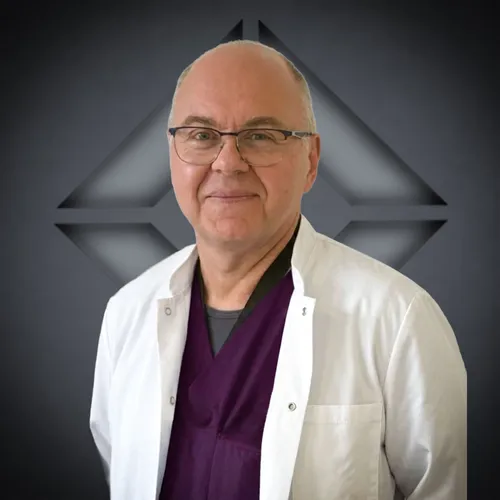 Christoph Binas
 Rachel Dorsch
 Maria Eckert-Kufner
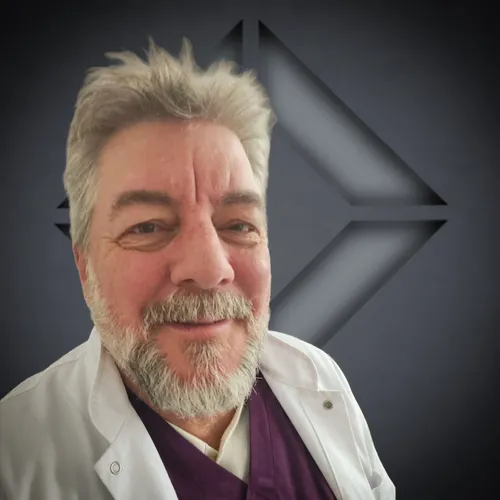 Claus Hahn
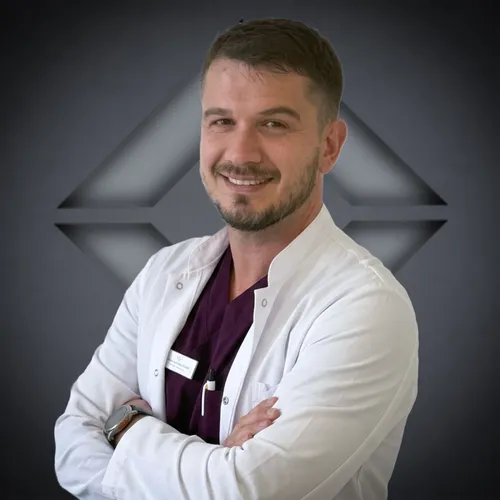 Erando Jubica
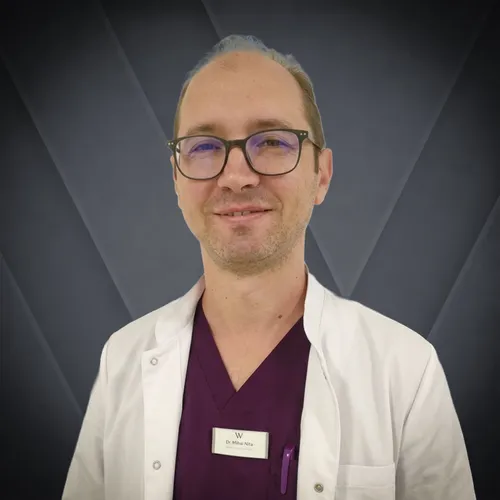 Mihai Nita